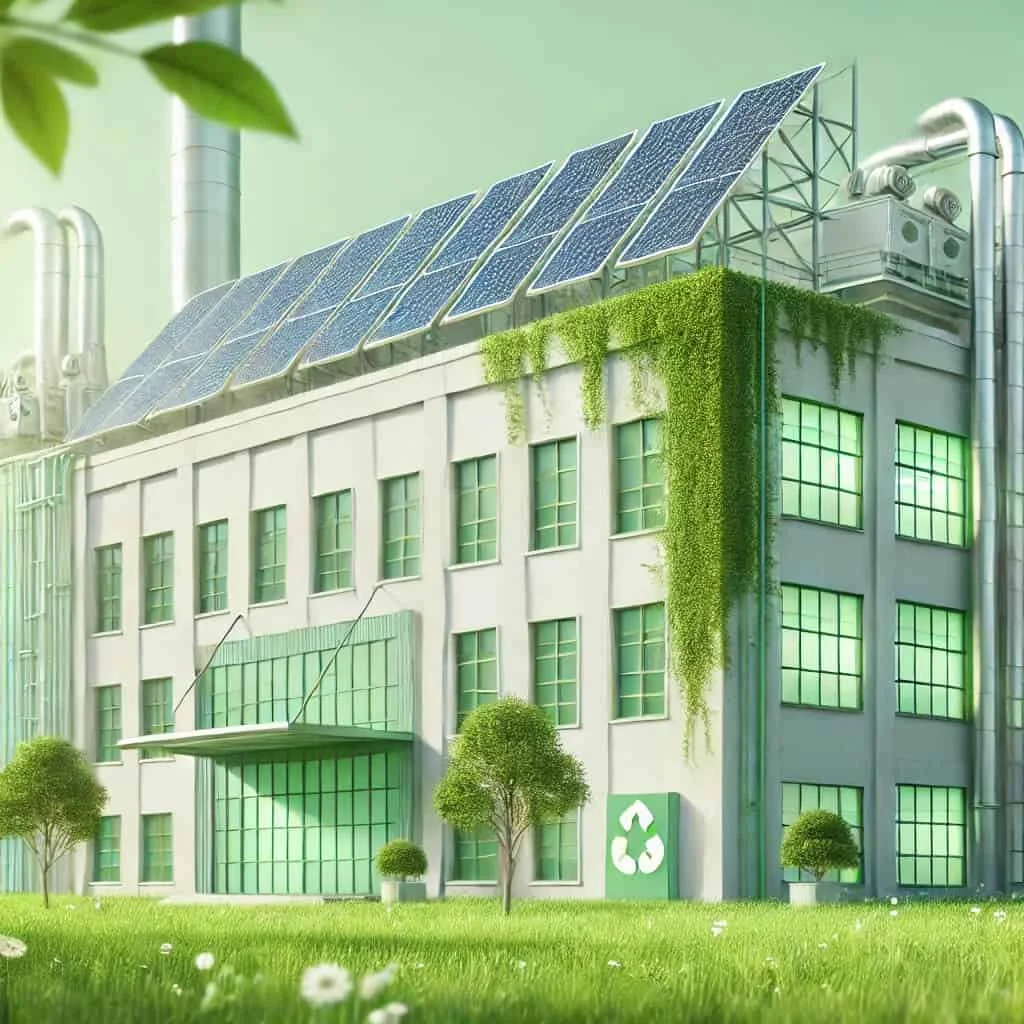
How to Design Environmentally Friendly Products
Sustainability is no longer a marketing word - it is a design discipline that touches materials, manufacturing, packaging, and end-of-life.
In Brief
Modern product development companies are being asked to deliver innovation and environmental responsibility at the same time. Eco-friendly product design isn't a single decision - it's a way of working that touches material choice, manufacturing, packaging, distribution, and end-of-life.
Done well, it isn't a cost center. It's a long-term competitive advantage and increasingly a precondition for market access.
Why Eco-Friendly Product Design Matters
Human impact on the environment is at historic levels. Products that consume less energy, generate less waste, and use safer materials are no longer a niche - they're what customers, regulators, and supply chains expect.
Designing responsibly is also a brand and risk move: it protects against future regulation and reflects the values of a generation of buyers who actively favor sustainable brands.
Sustainable Materials: A Foundation
Material selection is the highest-use sustainability decision in any product. Recycled plastics, bio-based polymers, FSC-certified wood, recycled metals, and natural fibers all open paths to a meaningfully lower footprint.
Each comes with engineering trade-offs - mechanical properties, supply availability, cost - so the right material is the one that balances product requirements with environmental impact, not the one with the loudest marketing story.
Designing for Reuse, Repair, and Recycling
An eco-friendly product is one that can be repaired, upgraded, and ultimately recycled. That means modular construction, accessible fasteners (not glue), separable materials, and a service plan that supports replacement of individual parts.
Designing this way also tends to improve perceived quality: customers feel the difference between a product that can be opened and serviced and one that is engineered to be discarded.
Lower-Waste Manufacturing
Manufacturing choices matter as much as material choices. Near-net-shape processes, simulation-driven optimization of part geometry, and energy-efficient process selection can cut material usage dramatically.
We routinely see 20-30% material reductions just by running rigorous simulation during the characterization phase, before tooling is committed.
Sustainable Packaging and Distribution
Packaging is often where sustainability stories visibly succeed or fail. Recyclable, compostable, or reusable packaging - and right-sized boxes that reduce shipping volume - reduce both impact and cost.
Distribution decisions matter too: regional sourcing, optimized routes, and consolidated shipments can shave a meaningful share of total carbon impact.
Full Life-Cycle Thinking
True eco-friendly design considers the product's entire life: extraction, manufacturing, distribution, use, and end-of-life. A great product on environmental grounds is a great product across all five.
Life-cycle analysis tools, used during characterization, surface the high-impact stages early - so the team can address them while design choices are still cheap to change.

Tip From the Experts
Pick one or two sustainability decisions that the product will be loudly known for - a recycled material, a take-back program, a repairability score - and engineer them all the way through. A focused, credible commitment outperforms a long list of vague green claims, and avoids accusations of greenwashing.
Key Takeaways
Material First
Material choice is the highest-use sustainability decision.
Designed to Repair
Modular, serviceable products last longer and waste less.
Lower-Waste Production
Simulation often cuts material usage 20-30%.
Smarter Packaging
Right-sized, recyclable packaging reduces cost and impact.
Brand Differentiation
Credible sustainability is a real market advantage.
Future-Proof Compliance
Sustainable design hedges against tightening regulation.
Frequently Asked Questions
Are sustainable materials always more expensive?
Not always. Recycled plastics and metals are often cost-competitive at scale, and savings from reduced material usage can offset premium materials. Total-cost analysis usually tells a different story than headline price.
How do I avoid greenwashing?
Make claims you can fully back with data, scope them precisely ("30% recycled content," not "eco-friendly"), and ideally certify them through a recognized third party.
Can I make a product fully recyclable?
Often yes for single-material products, but most multi-material products approach "highly recyclable" rather than 100%. Designing for separability of materials is the practical goal.
Where does life-cycle analysis fit in?
Run a quick life-cycle screening during characterization to identify the dominant impact stages, and a more detailed analysis before tooling. This is when changes are still cheap.
Is bio-plastic always better than recycled plastic?
Not always. Bio-plastics can have lower carbon impact but also can require land and water; recycled plastics have established supply chains and a clear waste-reduction story. Compare both for your specific context.
How do customers actually respond to sustainability features?
When credible, they pay attention - especially on packaging, repairability, and material origin. Vague claims are increasingly punished; specific, verifiable ones increasingly reward.