What's Allowed and What's Not When Importing From China: The Case That Hardened Our Policy
A real story about red lines, gray-area requests, and why ATI walked away from a profitable but problematic project.
In Brief
Thanks to the deep network we've built with factories and manufacturers in China, one of the services we provide to businesses and entrepreneurs is end-to-end import accompaniment. We understand what the client wants to import, source the right factory or supplier in China, and guide the client through the bureaucratic process of bringing goods or raw materials into the country.
We've been guiding entrepreneurs through China import for many years, and occasionally we receive unconventional requests - but we'd never encountered illegal or genuinely problematic ones until a recent case forced us to look hard at our customer policy.
You Can Import Almost Anything... but Should You?
The entrepreneur who reached out was sympathetic. He'd been referred by a friend who'd done a China import project with us. He asked thoughtful questions and made a positive impression as a serious potential customer.
When I asked what he wanted to import, he said a specific gas (we won't share which one). Gas imports aren't common in our pipeline, but our partner network in China includes suppliers in that space, so we moved forward.
I assumed the gas was destined for industrial customers or factories in Israel. A few days into the process, the client casually mentioned he was 'looking for customers at kiosks on the boardwalk' - which lit up an immediate red flag. B2B deals with industrial buyers don't happen at boardwalk kiosks.
The Decision
A short search clarified what the gas would actually be used for: not resale to manufacturers, but recreational sale to young people who, let's say, wanted to feel good. I called the client back, apologized, and explained that ATI couldn't take part in an import project that could harm other people.
He argued that the gas would enter the country one way or another. He even offered to increase our fee. We declined and parted ways.

Tip From the Experts
Profit is not a strong enough reason to take on a project. Before we accept a customer, we ask what the product is, who will use it, and whether the use is something we'd be proud to be part of. If the answer is no, the answer is no - regardless of the fee on the table.
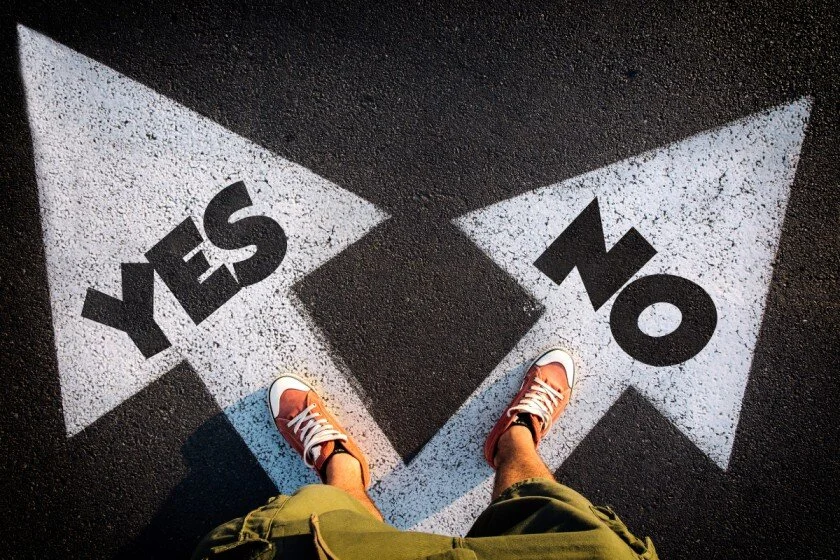
Discovering Our Red Lines: Who Do We Want to Be?
As unusual as the case was, I'm glad it happened. Most people who come to us with import or product development ideas have legitimate goals. That one project was in the gray zone - the gas is legal in Israel, and as the client said, it would probably arrive in some way regardless.
But the case forced us to ask ourselves who we are and who we want to be. Where are our red lines? Which customers will we work with - and which won't we? It pushed us to refine the questions we ask new customers, and to recognize gray-area projects faster the next time.
What We Look For Today
If you're looking for an import partner that takes responsibility for its impact on society - not only its margin - we'd be happy to talk. We work hard for our customers and care about the projects we put our names on.
Key Takeaways
Red Lines Exist
Some projects we won't take, regardless of the fee.
Gray Areas Get Examined
Legality alone is not enough - we look at use.
Customer Vetting
Refined intake questions catch issues earlier.
Responsibility Over Revenue
Our reputation is worth more than any single deal.
Honest Conversations
We tell clients no when we have to, and why.
Long-Term Mindset
Projects we'd be proud of in ten years, not just this quarter.
Frequently Asked Questions
Does ATI handle every import request?
No. We turn down projects that don't align with our values, even when they're technically legal.
What raises a red flag for you?
Vague end-use answers, retail channels that don't match a B2B story, and products whose typical end use is harm to consumers.
Do you publish a banned-list?
We don't publish a fixed list. We evaluate case by case, with end-use and customer profile being the strongest signals.
Why share this story publicly?
To set expectations. Customers who care about ethics know they're working with a partner that does too.
Will telling someone no cost ATI business?
Sometimes. We're comfortable with that trade-off.
How can I be a customer ATI says yes to?
Be straightforward about what you want to import, who the end customer is, and why. Most legitimate projects pass our intake easily.