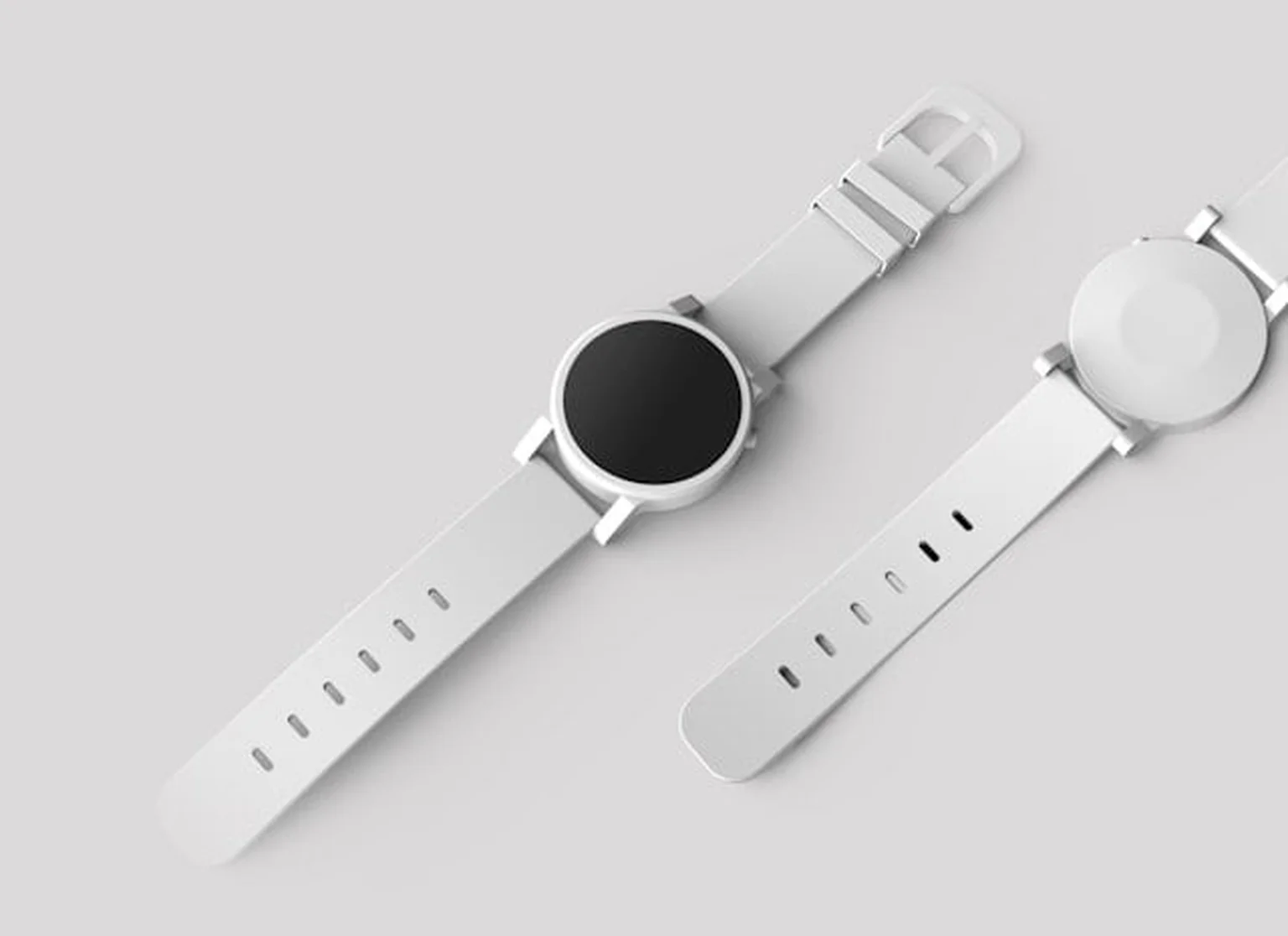
Minimalism in Product Design: How Less Becomes More
Minimalism isn't just a visual style - it's a design philosophy that strips a product down to what actually matters for the user and the business.
In Brief
Minimalism has become one of the most influential approaches in modern product design. It emphasizes simplicity, removes unnecessary elements, and creates products that are clean, functional, and aesthetically refined. The core idea is "less is more" - and it applies across industrial design, ideation, and manufacturing.
Minimalism is not a passing trend. It's a disciplined approach that, when combined with careful prototyping and engineering, produces products that look elegant, feel intuitive, and support real business goals.
Core Principles of Minimalist Product Design
The first principle is "function over form." Every element in the design must serve a clear purpose. Development starts by identifying the user's essential needs, then strips the product back to deliver exactly those needs - nothing more.
The second principle is precision in detail. Minimalism is not just about removing elements - it's about choosing materials, colors, and shapes with discipline. Clean lines and high-quality finishes turn a simple product into something iconic.
Finally, minimalist design requires a sharp, well-defined product idea. Clear goals - reinforced by tight project management - let teams translate an abstract vision into a polished product with real added value.
Impact on User Experience
Minimalism directly improves UX by making interactions simpler and more intuitive. Cluttered products confuse and frustrate users; minimalist products let users focus on the core functionality without distraction.
Clean design also signals quality and modernity, which strengthens brand perception. It improves accessibility, since simple interfaces are easier for users of all ages and skill levels to operate. And it builds trust - in a crowded market, a product that doesn't try to do too much feels more credible and more reliable.
Industrial Minimalism: Inspiration and Examples
Apple is the textbook example - smooth surfaces, rounded corners, neutral colors, and every detail serving a purpose. The result is products that feel premium and effortless to use.
IKEA applies minimalism at scale in furniture - simple lines that work in any space and ship flat. Consumer electronics brands lean on minimalist design for speakers, TVs, and headphones to convey clean functionality.
Minimalism extends beyond the product itself. Clean packaging, simplified labels, and uniform cartons project professionalism on the shelf and reduce waste in production and shipping.
Business Advantages of Minimalist Design
Manufacturing benefits first. Fewer components and simpler geometries make prototyping faster, tooling cheaper, and assembly more efficient. The savings can be passed to customers or reinvested in margin.
Brand-wise, minimalism signals quality and innovation. Companies that adopt it are often perceived as more professional and trustworthy - a real advantage in competitive categories.
Customer satisfaction goes up because the product is easier to use, which drives loyalty and repeat purchases. And from a project management standpoint, minimalism keeps teams focused on what matters, reduces scope creep, and improves delivery predictability.
How to Apply Minimalism in Development
Start by defining the goal precisely. Every product should serve one clear purpose and execute the essential functions without burdening the user. Deep user understanding is what reveals what isn't needed.
Then push for simplicity in design and engineering. Avoid unnecessary materials, components, and decorative elements. Use prototypes to validate whether further simplification is possible without hurting functionality.
In manufacturing, balance quality with cost. Minimalism requires good materials but also looks for ways to reduce waste and streamline production. Disciplined project management ensures every detail of the build supports the minimalist vision.
Finally, test with users, listen to feedback, and iterate. The goal is a product that delivers only what's essential - executed with elegance and precision.

Tip From the Experts
Minimalism is harder than maximalism. Every removed element forces the remaining ones to work harder. Before you simplify, make sure the elements that stay are genuinely strong - in materials, finish, ergonomics, and visual hierarchy. A minimalist product made with cheap materials looks cheap; one made with the right ones looks iconic.
Key Takeaways
Function First
Every element must serve a clear, user-driven purpose.
Precision in Detail
Materials, finish, and proportion carry the design when ornament is removed.
Intuitive UX
Simpler interfaces reduce friction and accelerate adoption.
Lower Production Cost
Fewer parts and simpler geometries cut tooling and assembly costs.
Stronger Brand Equity
Clean design signals quality, modernity, and confidence.
Higher Loyalty
Easy, satisfying products turn into repeat purchases and referrals.
Frequently Asked Questions
Is minimalism appropriate for every product category?
Almost - but not every aesthetic. The principle of removing what isn't essential applies universally, even when the visual style is bold or playful. The question is always: does this element serve the user, the function, or the brand?
Does minimalist design cost less to manufacture?
Usually yes, because there are fewer parts, simpler tooling, and faster assembly. The savings can be partially reinvested in higher-quality materials and finishes that make the simplicity feel premium rather than cheap.
How do I avoid making a minimalist product feel boring?
Through proportion, material quality, and one or two distinctive details. Minimalism doesn't mean featureless - it means every feature earns its place. A single contrasting accent, a unique texture, or perfect ergonomics can carry the entire design.
Can a complex product still be minimalist?
Yes. Minimalism refers to what the user sees and interacts with, not what's inside. A medical device or a piece of professional equipment can have enormous internal complexity and still present a clean, focused interface to the user.
How does minimalism affect product longevity?
Minimalist designs tend to age better because they avoid trend-driven styling. They also tend to be easier to repair and upgrade because the architecture is simpler - which supports sustainability goals.
Where do most teams fail when trying to go minimalist?
By removing the wrong things. Teams sometimes cut features users actually rely on, or they remove visual elements without strengthening the ones that remain. Minimalism requires editorial judgment - knowing what to keep, not just what to remove.