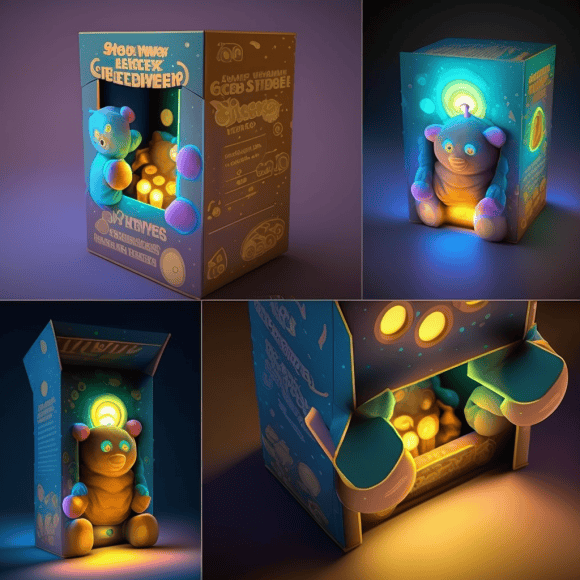
How Packaging Design Can Significantly Impact Product Sales
Your packaging is your strongest silent salesperson - make every shelf second count.
In Brief
Packaging design influences product sales by creating visual prominence that catches the eye in a highly competitive environment. A well-designed wrapper conveys immediate psychological messages about the item's quality, values, and distinct advantages, thereby significantly shortening the consumer's decision-making process at the point of sale. When the right color palette, readable typography, and clever structural engineering come together, they create a positive customer experience that begins before the box is even opened.
Additionally, packaging serves as a direct and trustworthy communication tool that delivers essential information in an accessible format. It builds a strong brand identity that generates long-term loyalty and effectively differentiates you from competitors. A product that projects luxury, professionalism, and reliability through its appearance often succeeds in commanding a higher price and gaining easier entry into major retail chains worldwide.
In a competitive world where countless products vie for the consumer's attention on store shelves and in the digital space, packaging is far more than just a wrapper designed to protect the contents. It is the first and most critical point of contact between the potential customer and your brand, and it is usually what determines whether the item will be taken home or left orphaned on the shelf. If you are in the entrepreneurial stages and want to ensure your development not only works excellently but also sells spectacularly, this article is designed exactly for you. We'll explore in detail into how the physical wrapper's appearance influences purchasing decisions and discover how to turn it into your most powerful sales tool.
How Can Packaging Design Significantly Impact Product Sales?
Packaging design can attract the attention of potential customers and increase the likelihood of them picking the product off the shelf. A visually appealing package with the right colors, bold graphics, and attractive typography can stand out strongly on store shelves and draw customers in.
The design of packaging can also convey important information about the product, such as its features, benefits, and ingredients. A well-designed package can make it easier for customers to understand what the product is, what it does, and how it can benefit them during use.
Brand Identity & Differentiation
Packaging design can help build brand identity and assist in differentiating the product from competitors. A consistent visual style and messaging across every package can help create a strong brand image and increase customer recognition and loyalty toward the product and the company.
Packaging design can also influence customer perceptions of the product. A high-quality packaging design with premium positioning can make customers perceive the product as higher quality, while packaging design that appears cheap can have the opposite effect.
Retail Appeal
The design of packaging can also make the product more attractive to retailers, who are more likely to stock products with eye-catching and well-designed packaging.
New packaging design can play a decisive role in a product's success by attracting attention, conveying information, building brand identity, influencing perceptions, and increasing the appeal to potential customers on the shelf!

Tip From the Experts
Don't leave packaging design to the end of the development process. Early planning of the visual and structural wrapper allows brand values to be smoothly integrated, prevents unnecessary manufacturing delays, and saves significant costs in the shipping and storage stages. A winning package is born together with the product itself during the initial planning stages.
Key Takeaways
Visual Impact
Eye-catching colors, bold graphics, and refined typography make your product stand out on crowded shelves.
Sales Driver
Strategic packaging design directly increases purchase likelihood and supports premium pricing.
Brand Identity
Consistent packaging builds a recognizable brand that generates long-term customer loyalty.
Unboxing Experience
A thoughtfully designed unboxing creates shareable moments that serve as powerful organic marketing.
Information Architecture
Visual hierarchy guides the customer's eye to read key messages in order of importance.
Protection & Compliance
Engineering-driven design protects delicate components during shipping and meets destination-country regulations.
Frequently Asked Questions
How does packaging design affect the consumer's price perception of a product?
Packaging design plays a central psychological role in how consumers evaluate an item's worth. When the packaging is made from quality materials, incorporates special finishes, and is designed with clean, elegant lines, the consumer tends to automatically associate it with a premium category. This association allows brands to price their developments higher, as the customer feels they are receiving full value embodying luxury and reliability from the very first glance. Conversely, packaging perceived as simple or cheap can cause the customer to hesitate and seek alternatives, even if the actual contents are high-quality and well-crafted.
What is the importance of visual hierarchy on product boxes and wrappers?
Visual hierarchy is essentially the planned way we direct the customer's eyes to read messages in the order of importance we have predefined. Since customers dedicate only a few seconds to scanning each item on the shelf, it is crucial that the most important message jumps out immediately and effortlessly. Typically, the correct order starts with the brand name and product essence, continues with the most prominent competitive advantage, and ends with dry technical information or the full ingredients list. Correct ordering prevents unnecessary confusion, facilitates quick decision-making, and creates a more positive and flowing shopping experience.
Is there a difference between visual planning for physical store sales versus online commerce?
There is indeed a very significant difference stemming from the physical and digital nature of the customer's interaction. In a physical store, the box needs to stand out immediately against dozens of competitors located right beside it on the shelf, and the customer can touch it, feel its physical weight, and sense the material's texture. In contrast, in online commerce, the first impression is created solely through a small image on a computer or smartphone screen. Therefore, in design intended for online sales, it's important to emphasize a larger and clearer logo, typography that is readable from a distance, and contrasting colors that will look great even on small screens and varying lighting conditions.
How can sustainability and environmental elements be incorporated into the packaging development process?
Incorporating sustainability starts first with choosing the right raw materials, such as using recycled cardboard, biodegradable plastic, or professional printing with plant-based eco-friendly ink. Beyond the materials themselves, the physical and structural design should strive for volume reduction and minimalism - that is, completely avoiding excess plastic or cardboard material that is not necessary for protecting the internal contents. Furthermore, it is very important to visually reflect this environmental effort by using natural and clean color palettes and incorporating clear international icons indicating the wrapper is recyclable, which strengthens the emotional connection with consumers who have high ecological awareness.
Why is the unboxing experience considered such a powerful marketing tool in today's era?
We live in a technological era where many consumers tend to document and share exciting and routine moments alike on various social networks. When the unboxing process is well-planned by the manufacturer and includes elements of surprise, exemplary order, printed personal notes, or multiple layers of gradual discovery, it naturally generates a positive and empowering emotional experience. Customers feel special and valued and tend to photograph and upload videos of the process for their friends and followers. These shares expose your brand to entirely new audiences in an authentic and credible way that functions as modern word-of-mouth advertising, yielding excellent sales results without the need for additional financial investment in sponsored campaigns.
What common mistakes should be avoided when planning packaging for gadgets and tech products?
One of the most common mistakes beginner entrepreneurs make is creating an overload of graphic and textual information in one place, which creates heavy confusion and repels customers instead of attracting their interest. Another critical mistake is poor physical and structural planning that doesn't properly protect delicate electronic components during long shipping by sea or air, which can lead to irreversible damage, customer anger, and a wave of expensive returns. Additionally, certain companies tend to ignore relevant laws and regulations for the destination country and skip safety warning labels or essential standard marks, which can lead to goods being confiscated at customs. Early planning with experienced experts prevents these costly mishaps and ensures a smooth and profitable marketing process.