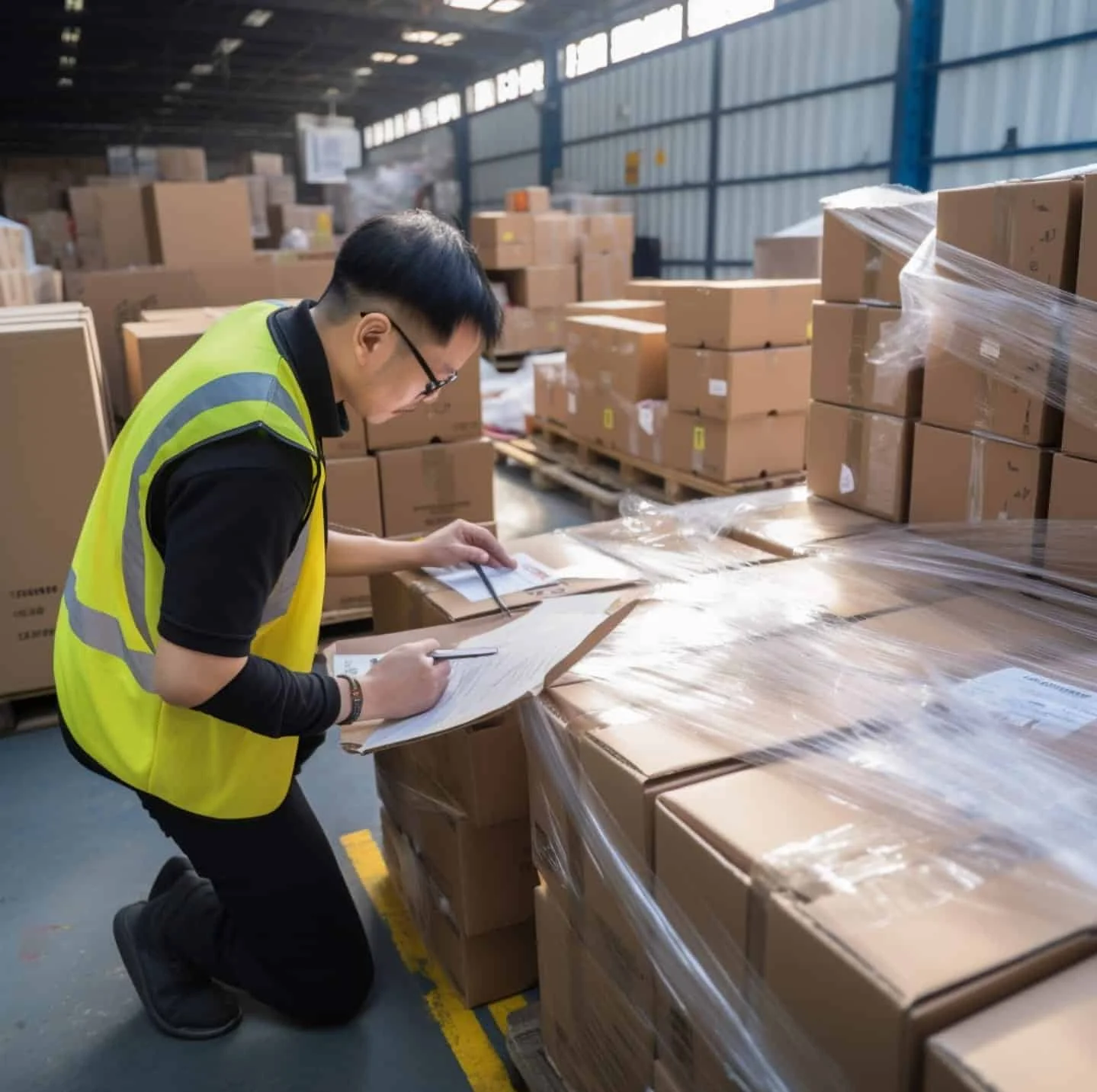
The Importance of Pre-Shipment Inspection at the Supplier's Warehouse in China
An independent inspection before the container leaves the factory is the cheapest insurance you'll ever buy.
In Brief
Pre-shipment inspection plays a critical role in the global supply chain - especially for goods leaving China. When a business cares about quality and reliability, inspecting the goods at the supplier's warehouse before shipment becomes essential. The process verifies that the goods meet specification, regulatory requirements, and the buyer's expectations - and minimizes risk during transit.
Quality and Compliance Assurance
Pre-shipment inspections verify quality and compliance against the buyer's specifications, industry standards, and applicable regulations. A thorough inspection minimizes the chance of receiving defective goods or products that miss requirements. Resolving issues at the supplier's warehouse means only the highest-quality items reach the final destination - protecting customer satisfaction and brand trust.
Early Detection of Defects
One of the main benefits of pre-shipment inspection is early detection of defects or damage. By identifying problems before goods leave the factory, businesses avoid costly returns, replacements, and reputational damage. Addressing issues at the warehouse allows timely fixes before shipping - saving both time and money down the line.
Reducing Supply-Chain Risk
Shipping goods from China to the final destination involves many logistical risks. Pre-shipment inspections reduce them by ensuring goods are correctly packed and labeled per the supplier's commitments. Confirming each carton matches the spec lowers the chance of damage during shipping and ensures only intact products reach the destination.
Cost Savings and Efficiency
Pre-shipment inspections deliver significant cost savings over time. Catching defects, non-conformances, or labeling errors at the source prevents the high costs of returns, complaints, and lost customers. Early detection lets businesses negotiate solutions with the supplier - replacements, repairs, or refunds - so unnecessary costs and disruptions don't accumulate.

Tip From the Experts
Treat pre-shipment inspection as the last engineering review of the project, not as a logistics formality. Send the QC team a detailed checklist that mirrors the PRD - functionality checks, dimensional checks, packaging checks - and require photo evidence for each line item.
Reputation and Trust
In a competitive market, a strong reputation matters. Pre-shipment inspection helps protect and build that reputation by consistently delivering high-quality goods. When buyers can trust the products they receive, the relationship strengthens - leading to repeat orders, recommendations, and long-term success.
Key Takeaways
Quality Assurance
Goods verified against spec at the source.
Early Defect Detection
Catch problems before the container leaves.
Risk Reduction
Lower the chance of damaged or incorrect cargo.
Cost Savings
Prevent the cost of returns, complaints, lost trust.
Reputation Protection
Consistent quality builds buyer relationships.
Detailed Checklist
Mirror the PRD with photo evidence per line item.
Frequently Asked Questions
When does the inspection happen?
Typically when production is 80-100% complete and the goods are ready for packing - before final payment is released.
Who pays for the inspection?
Usually the buyer. The cost is small compared with the value at risk and is part of standard import budgeting.
Can the supplier do the inspection?
Suppliers do internal QC, but third-party inspection is independent and unbiased. Both have value, and they're not substitutes.
What does the inspection report cover?
Quantity verification, workmanship, function tests, packaging checks, labeling, carton dimensions and weights, photographic evidence.
What if the inspection fails?
Most issues can be fixed before shipment. The inspection report becomes the basis for negotiation with the supplier - rework, replacement, or partial release.
Does ATI handle pre-shipment inspections?
Yes. Independent QC at the factory is part of our standard service for import projects.