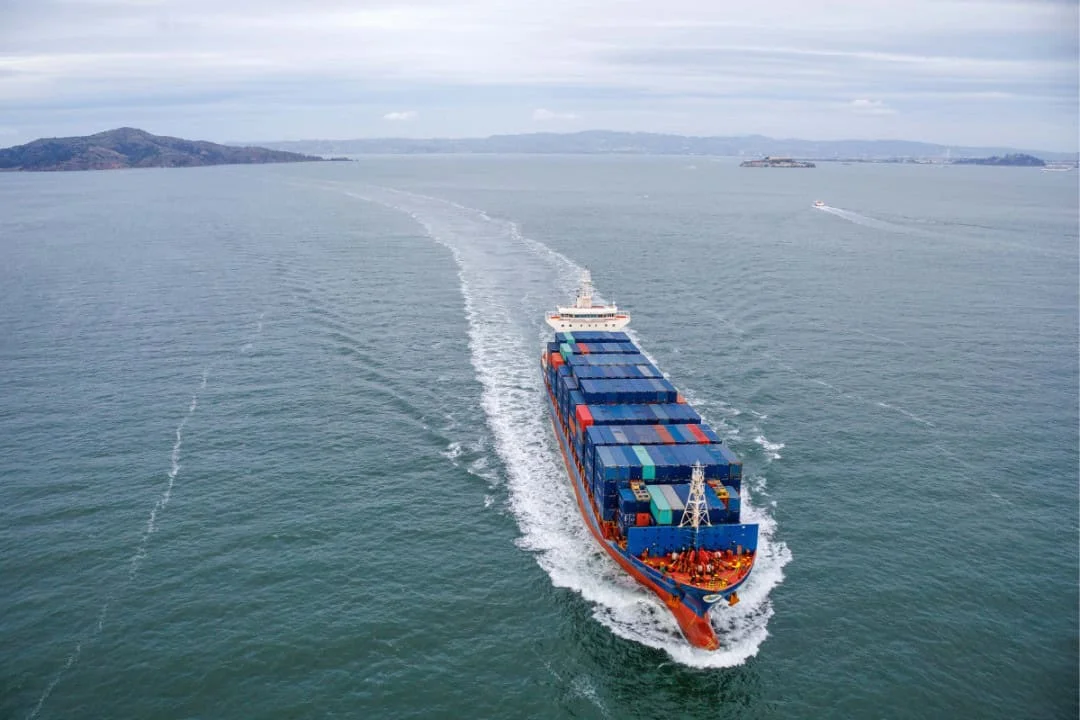
The Final Stage of Product Development: Successful, Cost-Efficient Shipping
Product shipping isn't a footnote - it's the final stage of development, and it deserves the same engineering attention as everything else.
In Brief
Many entrepreneurs treat shipping as the easy part - the boring logistics tail end of an otherwise exciting product project. In reality, shipping is the final stage of product development, and the decisions you make here directly affect product cost, time-to-market, and quality on arrival.
Mistakes at this stage - wrong packaging, wrong incoterms, wrong shipping mode - can wipe out the savings you negotiated at the factory.
Packaging Is Engineering
Inner packaging protects the product during ocean shipping (humidity, vibration, drops). Outer packaging fits efficiently into cartons, pallets, and containers. Designing both together saves real money, because cartons that pack badly waste cubic meters - and you pay by cubic meter.
Retail packaging is a separate discipline that affects shelf appeal and unboxing experience.
Air vs. Sea vs. Rail
Air freight is fast (5-7 days) but expensive. Sea freight is cheap but slow (4-6 weeks). Rail through Central Asia and Europe falls in between for some product categories.
The right choice depends on cash flow, urgency, product cost-density, and how predictable your demand forecast is. ATI typically blends modes - air for the launch and emergency replenishment, sea for ongoing supply.
Incoterms and Customs
FOB, CIF, DDP - the right incoterm decides who pays for what, who is responsible if something goes wrong, and where customs clearance happens. New importers often default to whatever the factory suggests. Our recommendation is the opposite: choose the incoterm that matches the level of control you want, then negotiate price around it.
Customs duties, VAT, and product-specific tariffs need to be checked in advance. A miscalculation here can turn a profitable product unprofitable overnight.
Pre-Shipment Inspection Saves the Shipment
An independent QC inspection at the factory before final payment is the cheapest insurance you'll ever buy. It catches defects, mislabeling, and packaging issues while the goods are still on the factory floor - not when a container arrives at port and a thousand units are unsellable.

Tip From the Experts
Build the shipping plan into the spec. The earliest stages of product development should already include packaging dimensions, weight targets, and shipping mode assumptions. By the time you're ready to ship, the work is mostly done.
Total Landed Cost
What matters is total landed cost, not factory price. Factory price + packaging + freight + duties + insurance + last-mile + handling - that's the real number you should be optimizing. ATI customers see this calculation up front so they can make pricing and channel decisions on real data.
Key Takeaways
Packaging Is Engineering
Inner, outer, and retail packs all affect cost.
Mode Selection
Air, sea, rail - mix to balance speed and cash.
Right Incoterm
Choose control level, then negotiate price.
Pre-Shipment Inspection
Cheapest insurance against bad shipments.
Customs Clarity
Duties, VAT, tariffs known in advance.
Total Landed Cost
Optimize the real number, not the factory line.
Frequently Asked Questions
Air or sea for a first launch?
Often we ship the launch quantity by air to start selling sooner, then switch to sea for steady-state replenishment.
What is FOB vs. DDP?
FOB - factory delivers to port, you handle ocean freight and clearance. DDP - factory delivers to your door, paying duties. DDP is simpler but typically more expensive.
How long does sea freight from China take?
4-6 weeks port to port for most major Western destinations, plus inland transit.
Should I insure the cargo?
Yes. Cargo insurance is inexpensive relative to the value at risk.
Can I save by sharing a container?
Yes - LCL (less than container load) consolidates with other shippers. Cheaper for small shipments, but with longer transit and more handling.
What's the most common shipping mistake?
Underestimating outer packaging volume. Carton dimensions that don't pack tightly into containers waste serious money.