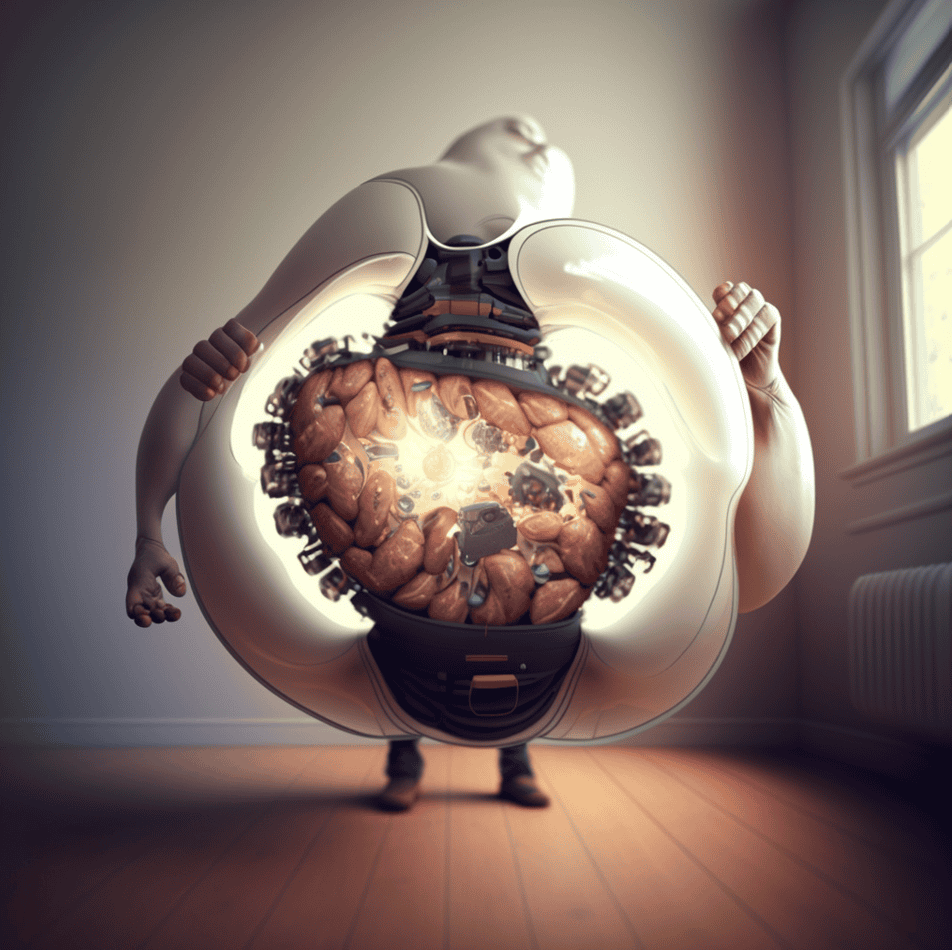
Why Do We Invent? The Psychology Behind Human Innovation
The drive to invent is one of the most powerful forces propelling the human race - from the Stone Age to Artificial Intelligence.
In Brief
We invent through a combination of survival instinct, intellectual curiosity, and the desire to improve quality of life. Invention is a direct response to problems we encounter, as the human brain constantly seeks ways to shorten processes, save energy, and break existing boundaries. It is an evolutionary mechanism designed not only to ensure our survival but also to give meaning and fulfillment through creation.
In the modern era, invention has become a more structured and professional process. It is no longer the domain of eccentric visionaries alone, but a pathway for entrepreneurs and companies to solve real market pain points. The transition from an abstract idea to a tangible product requires planning, engineering, and design, yet the foundation remains the same: the human passion to innovate and leave a mark on the world.
The Drive to Invent
Have you ever stopped to wonder what makes a person wake up in the morning with an idea and say "I can make this better"? The drive to invent is one of the most powerful forces propelling the human race - a force that brought us from the Stone Age to the era of Artificial Intelligence.
This article dives deep into the psychology of innovation, explains the motivations behind history's greatest inventions, and shows how even your small idea can become a product that changes reality - if you only know how to approach it correctly.
Why Do We Invent?
As human beings, we have a natural tendency to innovate and create new things. Invention serves many purposes: improving our quality of life, easing tasks, advancing technology, solving problems, and exploring new possibilities.
Invention also allows us to satisfy our curiosity and creativity, to push the boundaries of what we know and what is possible, and to leave our mark on the world.
Throughout history, invention has been the driving force behind numerous advances and major breakthroughs that shaped our society - from the wheel to the internet. It is safe to assume we will continue to invent and innovate for many years to come, as there will always be new challenges and opportunities to explore.
From Idea to Product
If you need prototype development, product design, or full product engineering - from initial concept through industrial design, mechanical and electronic engineering, to prototype testing and mass production - know that ATI provides comprehensive services at every stage of product development.
We deliver a complete process: from the initial idea all the way to shipping to the final destination. Our team of engineers, industrial designers, and production specialists ensure your invention doesn't stay on paper but becomes a real, functioning product in the market.

Tip From the Experts
Don't rush to manufacture your product before conducting an economic and engineering feasibility study. Our experience at ATI shows that initial investment in research saves tens of thousands of dollars and heartache down the road. Make sure the numbers work out before you fall in love with the idea.
Key Takeaways
Natural Human Drive
Invention stems from an innate combination of survival instinct, curiosity, and the desire to improve quality of life.
Evolutionary Mechanism
The brain constantly seeks ways to shorten processes, save energy, and break boundaries - an engine of progress.
Not Just for Geniuses
In the modern era, invention is a structured professional process accessible to entrepreneurs and companies alike.
Idea to Reality
Transforming an abstract concept into a tangible product requires planning, engineering, design, and expert guidance.
Feasibility First
A proper feasibility study - both technical and economic - is the most critical step before investing in development.
Leaving Your Mark
Every great product started as someone's small idea - the key is knowing the right process to bring it to life.
Frequently Asked Questions
Does every invention idea require a patent?
Not necessarily. A patent is a legal tool for protecting intellectual property, but it involves costs and time. Some products benefit more from a "First to Market" strategy, or the innovation may be in design rather than technology. It's recommended to consult with an intellectual property attorney and weigh the cost against the business benefit before starting the process.
What are the main stages of developing a new product?
The professional process typically includes five main stages: 1. Specification and feasibility study (Is it possible and profitable?). 2. Industrial design and concept planning. 3. Detailed mechanical/electronic engineering design. 4. Prototype building and testing. 5. Preparation for manufacturing (product file) and serial production.
How long does it take to turn an idea into a product?
The timeline varies greatly depending on the product's complexity. A simple plastic product can take between 3 to 6 months until production, while a product combining electronics, software, and complex mechanics can require a year or more. The development and prototyping phase is critical, and shortcuts should not be taken at the expense of quality.
Can I develop a product alone without a guiding company?
Theoretically yes, if you have extensive knowledge in engineering, design, manufacturing processes, materials, and logistics. In practice, most entrepreneurs need a team of experts to fill knowledge gaps. Working with an experienced company like ATI helps avoid costly manufacturing mistakes, choose reliable suppliers, and manage the project efficiently.
What is a feasibility study and why is it important?
A feasibility study is the first and most important step. It examines two aspects: technical (Can the product be manufactured?) and economic (How much will it cost to produce, and is there profit?). At ATI we place enormous emphasis on this stage to ensure the entrepreneur doesn't enter a financial adventure without coverage, receiving production cost estimates before even starting a single drawing.
How do I know if my idea is good?
A "good" idea is one that solves a real problem and that people are willing to pay for. The best way to know is to conduct market research, check competitors, and perform validation with potential customers. Combining market research with our engineering knowledge about manufacturing costs gives you a complete picture of your chances of success.